April 20, 2026
Embarking on a new roof installation project involves careful planning and execution. This article aims to provide a comprehensive understanding of the process, addressing common questions and considerations, especially the role of a local roofer. A well-installed roof is one of the most significant investments a homeowner can make, and understanding the steps involved helps in making informed decisions. By familiarizing oneself with the entire process, homeowners can mitigate potential pitfalls and engage effectively with professionals.
1. What are the initial steps in a roof installation?
a. Evaluating the need for a new roof
Determining the necessity for a new roof is the first critical step. Often, signs such as leaking, missing shingles, or a roof nearing its material age limit indicate the need for replacement. Consulting with a reliable local roofer can help assess whether a full replacement is indeed necessary or if repairs could suffice. A thorough evaluation not only prevents unexpected expenses but also ensures the safety and energy efficiency of your home.
After identifying the need for a new roof, homeowners should prioritize an assessment of their financial capacity. Planning your budget involves understanding both the upfront costs and potential long-term savings. A high-quality roof could significantly reduce maintenance costs and energy bills in the future. It's advisable to gather estimates from multiple local roofers to get a sense of the price range for your specific project.
Next, selecting the right materials is a pivotal decision that affects both aesthetics and longevity. Each roofing material—be it asphalt, metal, or tile—comes with its own set of pros and cons. Factors such as climate, architectural vision, and budget will play into this decision. A trusted local roofer can provide valuable insights into what materials best suit your particular needs.
b. Planning your budget
Planning your budget is an essential step that requires careful consideration of various factors. Begin by assessing the current state of your finances and contemplate how much you're willing to invest in your new roof. Keep in mind that while some roofing options might appear costly initially, they could lead to significant savings on energy and repair bills over time. Collaborating with a local roofer enables homeowners to make budget-conscious decisions without compromising quality.
An effective budget also requires factoring in unexpected expenses that might occur during installation. For instance, if the underlying structure of your roof shows damage once the old materials are removed, additional repairs might be necessary. Local roofers with experience in your specific neighborhood may foresee these issues better than larger, impersonal companies. This foresight can lead to more accurate budget projections and fewer financial surprises.
Moreover, comparing quotes from different roofing contractors can lead to a more economical choice. Gathering multiple assessments enables homeowners to discern realistic costs and avoid being overcharged. When analyzing these quotes, it's crucial to inspect the scope of work, materials included, and the expertise offered by each local roofer. Transparency and comprehensive communication with the chosen professional are key to developing a feasible budget plan.
2. How do you choose the right local roofer?
a. Checking credentials and experience
When selecting the right local roofer, verifying their credentials is essential. Confirm that they possess the necessary licenses and insurance policies to operate in your region. This not only ensures compliance with local building codes but also protects you from potential liabilities that might arise during installation. Experience is equally important, as it typically correlates with the roofer's ability to deliver quality workmanship.
Experience in the roofing industry can signify a roofer's reliability and skill. An established roofer is likely to have faced and overcome various installation challenges, honing their craft over the years. Furthermore, experienced roofers are well-versed in the nuances that pertain to specific roofing materials and local weather conditions. Prioritizing these attributes will contribute to a smoother, more successful roof installation process.
Additionally, identifying certifications from regional and national roofing associations can give you an edge in finding qualified professionals. Such endorsements reflect a roofer's commitment to maintaining industry standards and staying updated with the latest best practices. Pair this information with reviews and contact references for a comprehensive perspective on their reliability and craftsmanship. By examining these components, homeowners can confidently select a competent local roofer.
b. Comparing quotes and services
A thorough comparison of quotes and services is critical when selecting a local roofer. Begin by understanding the different elements included in each quotation and how they vary across contractors. While the cost might be an initial focus, it's vital to consider the value offered in terms of materials and additional services. Ensure that each quote includes a detailed breakdown to avoid hidden fees and additional charges later.
Cost variations between quotes often reflect differences in material quality, workmanship standards, and warranty offerings. Cheap options may compromise on these aspects, leading to potential future costs for repairs and upkeep. Conversely, a slightly higher investment upfront might yield durable results and a longer warranty. Opt for a balanced approach where quality, durability, and aftercare services align with budget considerations.
3. What are the key stages of the roof installation process?
a. Removing the old roof
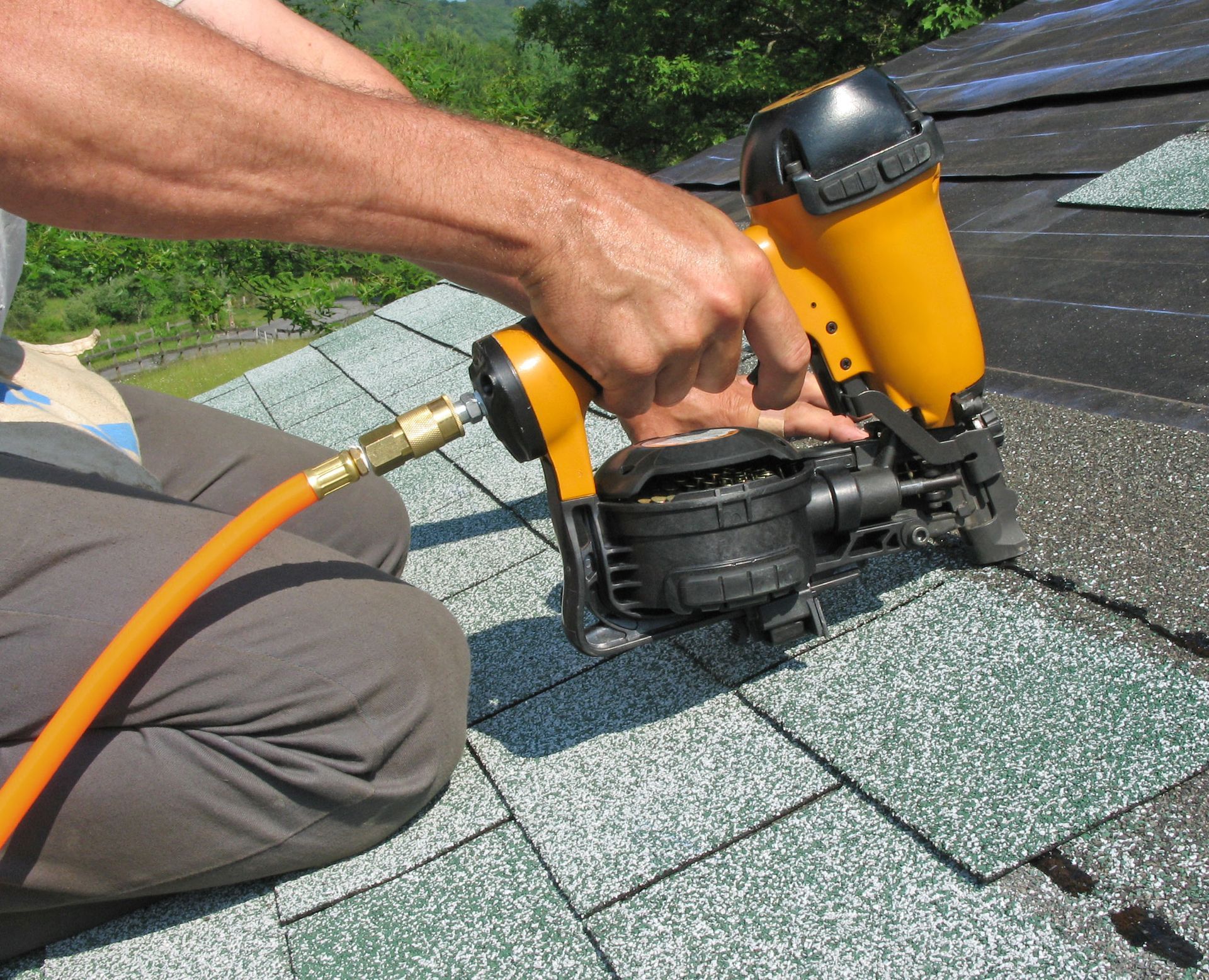
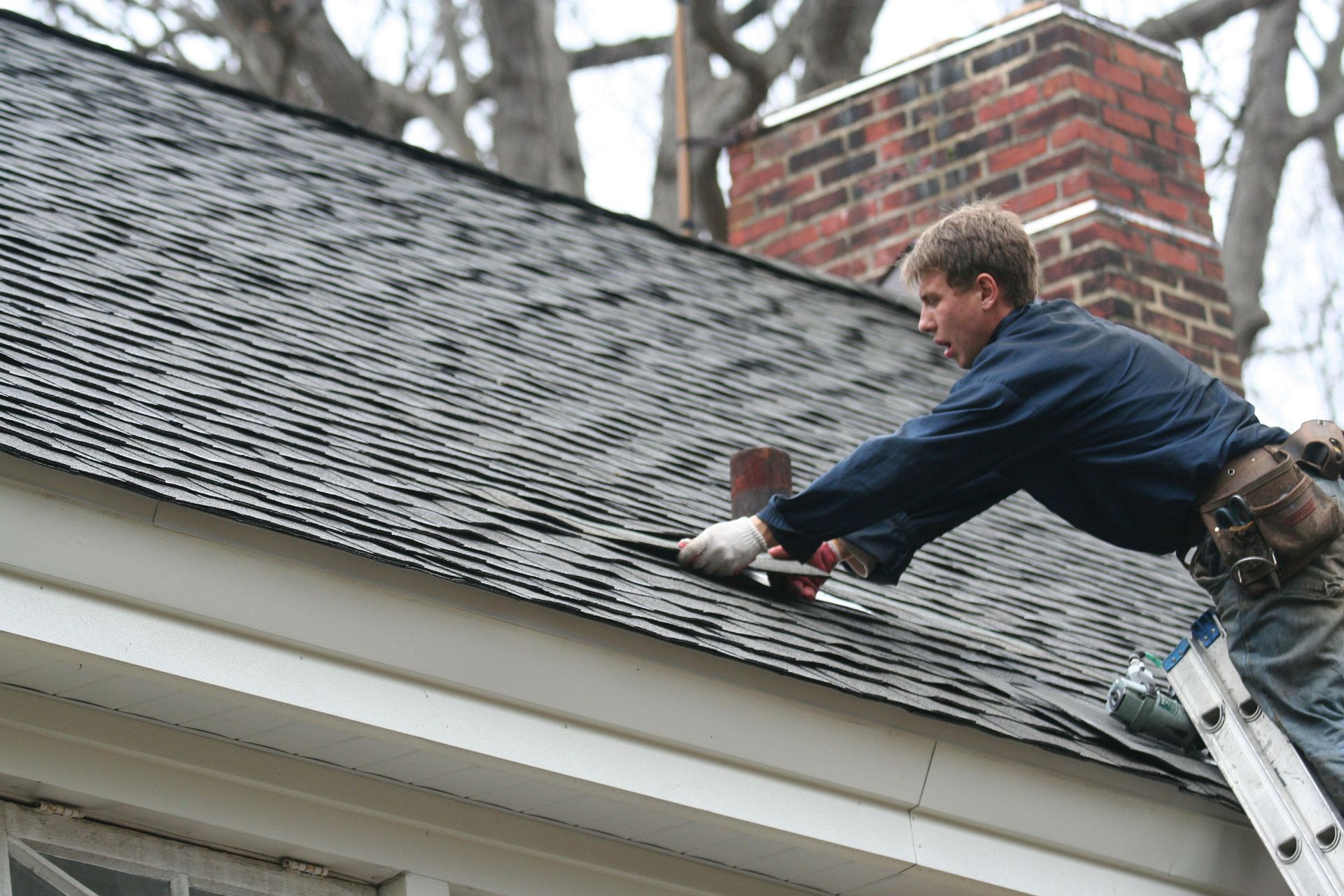
According to Medium, it can take between 3 and 7 days to install a new roof. The roof installation commences with the critical phase of removing the old roof. This stage involves safely stripping away existing materials, such as shingles or tiles, to expose the underlying decking. Efficient removal minimizes disruption and prepares the space for necessary inspections and repairs. Employing skilled personnel, particularly an experienced local roofer, ensures that this process is executed effectively and without undue damage to the property's structure.
During removal, care must be taken to evaluate any potential leaks, rotting, or mold present in the underlying materials. Addressing these issues early prevents compounding problems that could affect the new roof's performance. The discernment to identify such issues often depends on the expertise of the roofer undertaking the job. Clear communication with the roofer about findings during this stage sets the stage for the succeeding phase, influencing both cost and project timelines.
b. Inspecting the decking
Once the old roof is removed, a thorough inspection of the roof decking becomes essential. This phase is crucial for identifying any signs of damage or areas that require reinforcement. Rotten or weakened parts of the decking compromise the integrity of the new roof and must be addressed before proceeding. The expertise of a local roofer is invaluable in assessing the decking's condition and rectifying issues, ensuring a solid foundation for the new materials.
High-quality decking materials promote longevity and stability, enhancing the roof's overall resilience. If any components are found lacking, they need to be replaced before the installation of new materials. Addressing any necessary repairs during this phase is critical, as it directly affects the structural integrity and safety of the completed roofing system. Having a trusted roofer conduct this examination helps maintain confidence in the quality and adequacy of the underlying framework.
The process of roof installation can be complex but is essential for the protection and value of your home. By understanding key steps and collaborating closely with a skilled local roofer, you can ensure a successful and lasting roofing project. From planning and budgeting to material selection and execution, every stage requires attention to detail and informed decisions. The commitment to excellent craftsmanship aligns with the goal of achieving a roof that offers long-term durability and enhanced curb appeal.
Homeowners embarking on roof installations should prioritize effective communication and transparency with their chosen local roofer. Engaging experienced professionals not only navigates challenges effectively but also provides peace of mind throughout the project. The role of a local roofer extends beyond implementation, offering support in material selection and project management. Together, these efforts contribute to delivering a holistic roofing solution that meets and, ideally, exceeds homeowner expectations.
Ultimately, a well-executed roof installation confers benefits that span safety, aesthetics, and property value. Committing to each stage with diligence and a partnership mindset secures an outcome synonymous with satisfaction and longevity. With proper foresight, planning, and execution, the roof stands not only as a protective barrier but also as a long-term investment in the property. As such, collaboration with a reputable local roofer forms the cornerstone of a successful project, solidified by understanding, expertise, and trust. Reach out to Rhino Roofing NJ today to see how we can help you!