May 13, 2026
Your roof is one of the most important parts of your home. It protects the structure from rain, snow, wind, sunlight, and changing temperatures throughout the year. Because it works quietly in the background, many homeowners do not think about roof replacement until a leak or visible damage appears. However, understanding when a roof may need replacement can help prevent costly problems and protect the value of the property.
The right replacement timeline depends on several factors, including roofing material, installation quality, weather exposure, ventilation, maintenance, and the age of the roof. Some roofs last for decades, while others may need attention sooner because of storm damage or poor installation. Working with experienced roofing contractors can help homeowners evaluate roof condition and decide whether repair or replacement is the better option. Taking a proactive approach can also reduce stress and avoid emergency situations.
Understanding Roof Lifespan
Every roofing material has an expected lifespan, but those timelines are only general guidelines. Asphalt shingles may last for many years, while materials such as metal, slate, or tile may last longer with proper care. Even so, the actual lifespan of a roof can vary based on climate, installation, attic ventilation, and maintenance history. Homeowners should view these timelines as estimates rather than exact timelines.
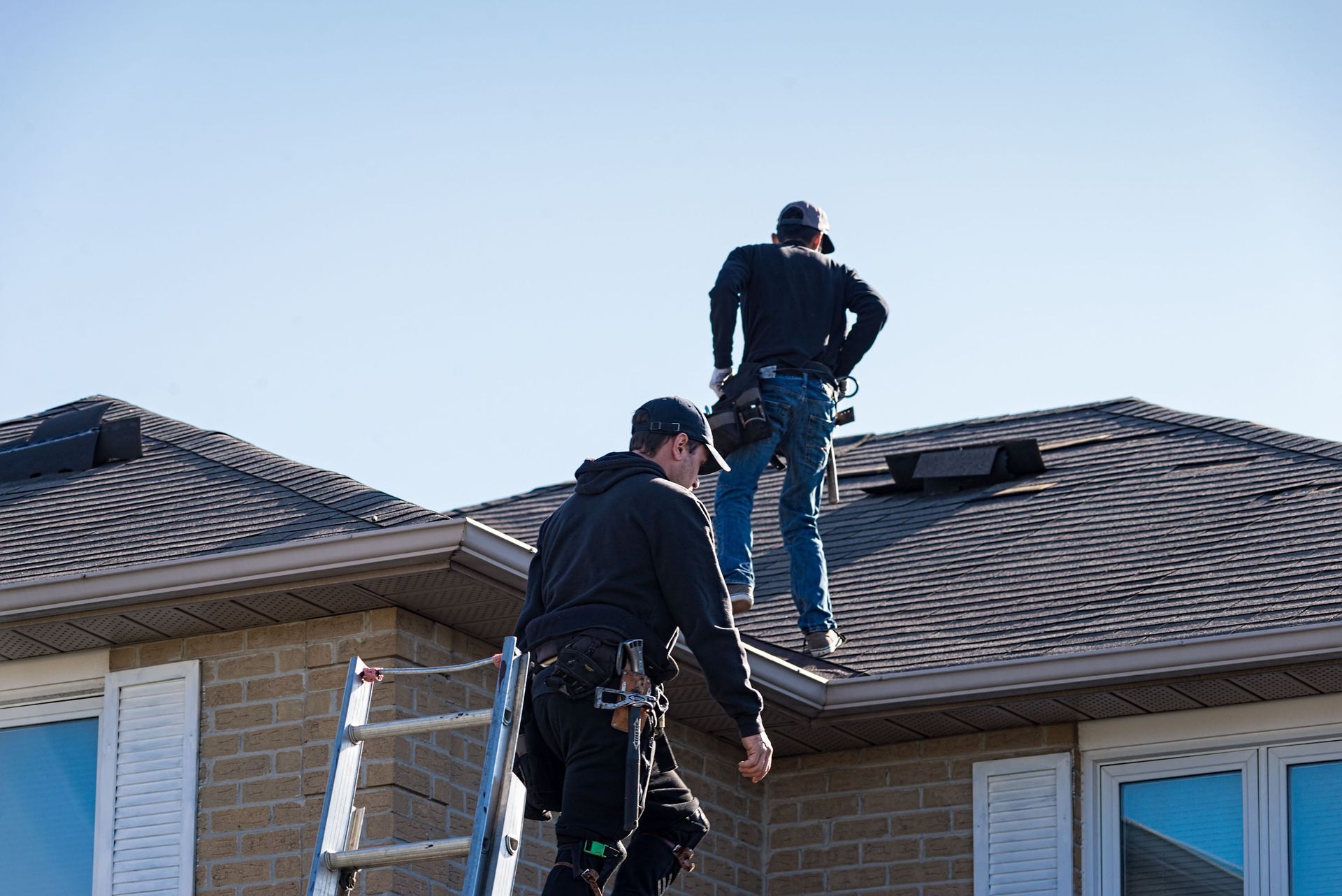
Homeowners should not rely on age alone when deciding whether replacement is needed. A newer roof may fail early if it was poorly installed or damaged by severe weather. An older roof may continue performing well if it has been maintained properly. Roofing contractors can inspect the system and help determine whether the roof is nearing the end of its useful life.
Checking Roofing Materials
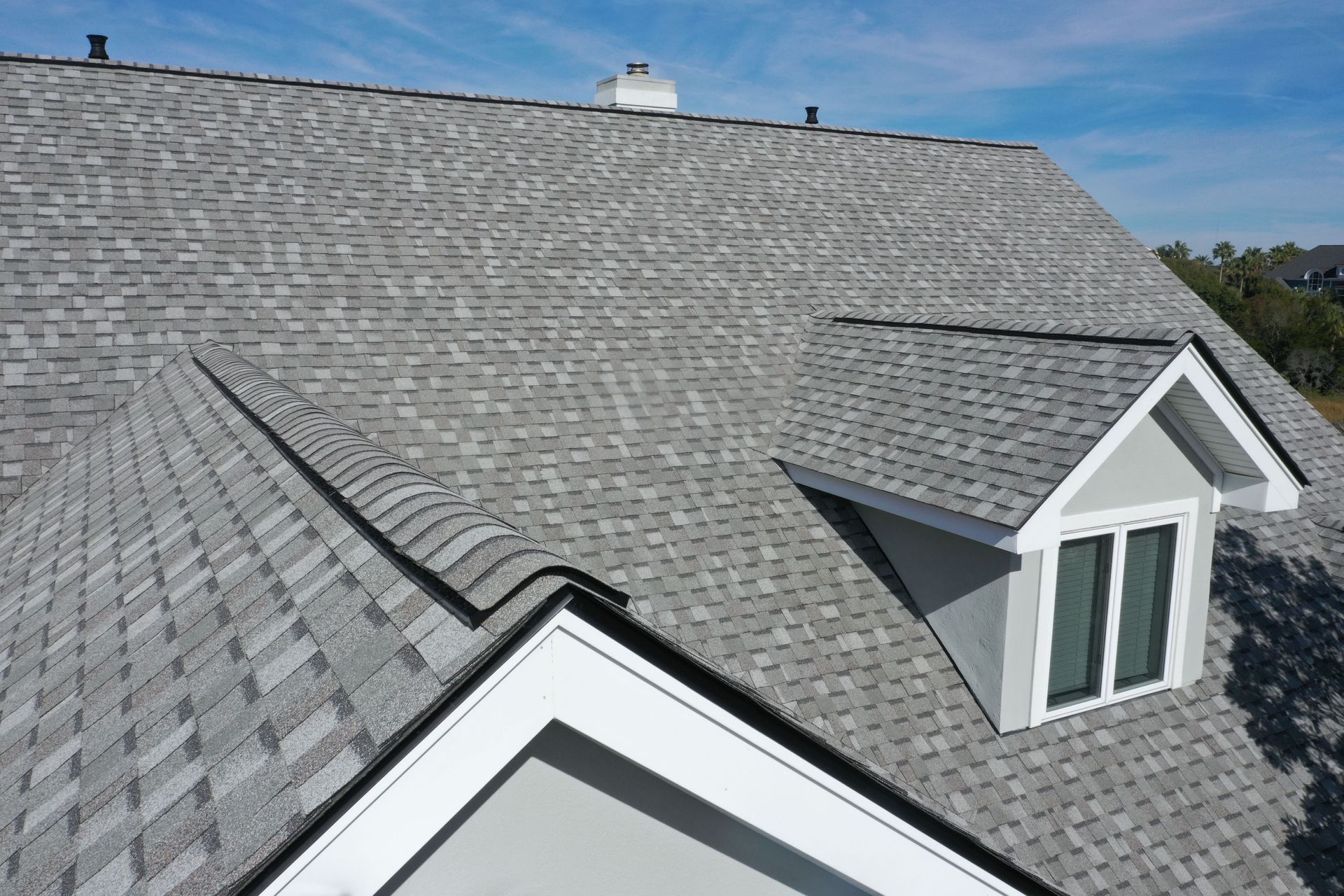
The type of material on your roof plays a major role in how often replacement may be needed. Asphalt shingles are common because they are affordable and versatile, but they may wear faster than more durable options. Metal roofing, clay tile, concrete tile, and slate can last longer, but they also require proper installation and structural support. Each material comes with its own maintenance needs and performance expectations.
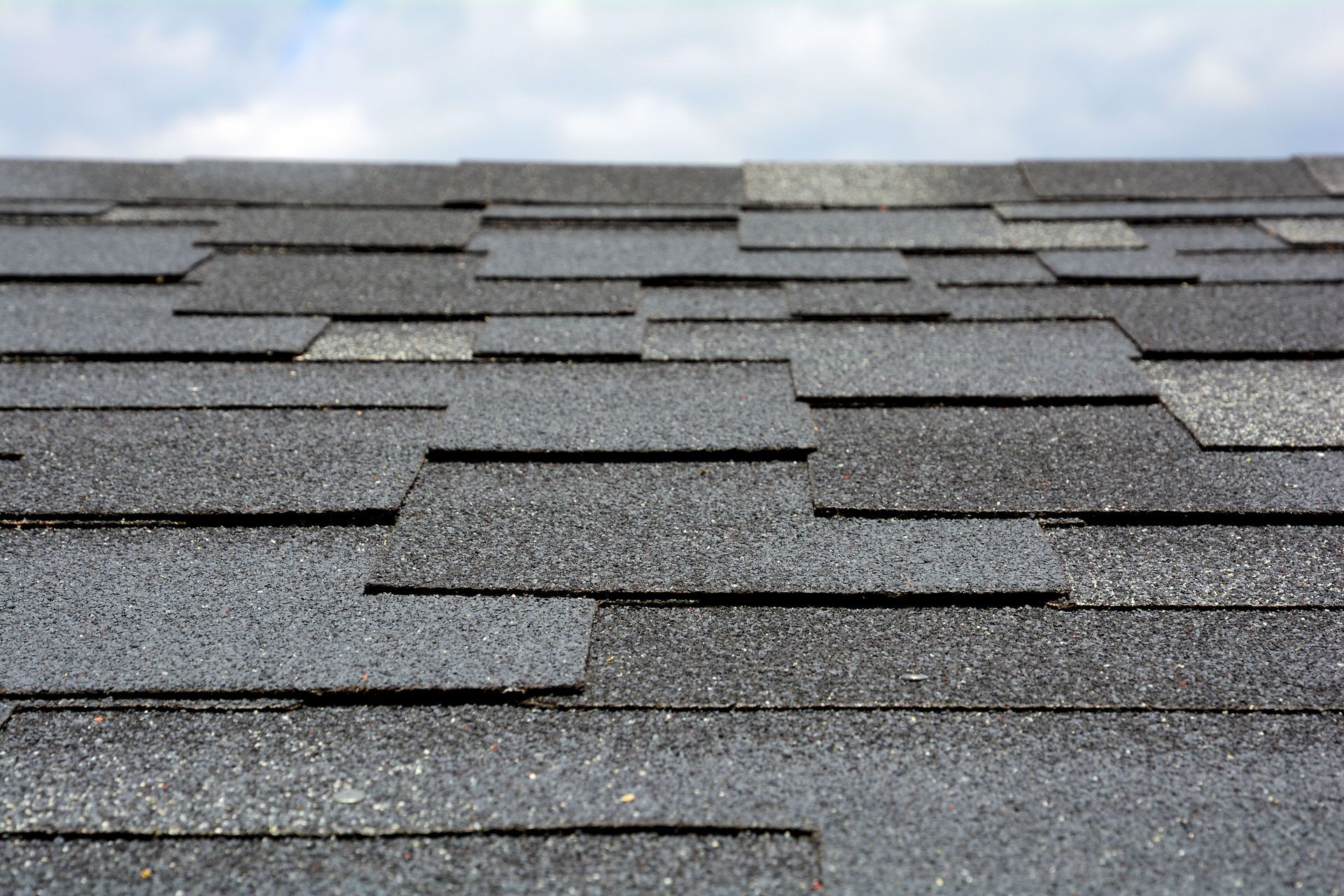
Different materials show age in different ways. Asphalt shingles may curl, crack, lose granules, or become brittle. Metal panels may show corrosion, loose fasteners, or damaged seams. Tile and slate may crack or shift over time. Contractors can help identify these signs and recommend the next steps based on the condition of the material.
Watching for Visible Damage
Visible damage is one of the clearest signs that a roof needs attention. Missing shingles, cracked tiles, sagging areas, damaged flashing, and exposed underlayment should not be ignored. These problems can allow water to enter the roofing system and damage decking, insulation, ceilings, and walls. Ignoring these issues can lead to more extensive repairs over time.
Homeowners should inspect the roof from the ground after major storms and throughout the year. It is also helpful to check gutters for shingle granules, which may indicate aging asphalt shingles. If damage appears widespread or keeps returning, replacement may be more practical than repeated repairs. Roofing contractors can determine whether visible damage is isolated or part of a larger roofing issue.
Monitoring Interior Warning Signs
Roof problems are not always visible from the outside. Interior signs can also reveal that the roof is no longer protecting the home properly. Water stains on ceilings, peeling paint, damp insulation, musty odors, or mold growth in the attic may point to roof leaks or ventilation problems. These signs often indicate that water has already entered the structure.
These warning signs should be addressed quickly because water intrusion can spread beyond the original leak. A small stain may indicate a larger issue hidden above the ceiling or inside the attic. If interior damage appears repeatedly, it may mean the roofing system is failing in multiple areas. Contractors can perform inspections to identify the source and recommend appropriate solutions.
Evaluating Installation Quality
Even high-quality roofing materials can fail early if they are not installed correctly. Poor nailing, improper flashing, inadequate underlayment, and poor ventilation can all shorten the life of a roof. Installation mistakes may not be obvious right away, but they can lead to leaks, shingle loss, and premature deterioration. Over time, these issues can become more noticeable and costly.
This is why choosing qualified professionals matters when replacing a roof. Proper installation helps the roof perform as intended and supports long-term durability. According to RubyHome, an estimated 5 million roofs are installed each year. With so many installations taking place, homeowners should work with reliable roofing contractors who follow proper standards and practices.
Reviewing Attic Ventilation
Attic ventilation plays an important role in roof longevity. Without proper airflow, heat and moisture can build up beneath the roof deck. Excess heat can weaken shingles from below, while trapped moisture can contribute to mold, rot, and insulation damage. These conditions can significantly shorten the lifespan of a roofing system.
A roof may need replacement sooner if ventilation problems have caused widespread damage. Signs of poor ventilation may include high attic temperatures, condensation, musty odors, or uneven roof wear. Improving ventilation during a roof replacement can help protect the new roofing system. Contractors often evaluate ventilation as part of a complete inspection process.
Comparing Repair and Replacement
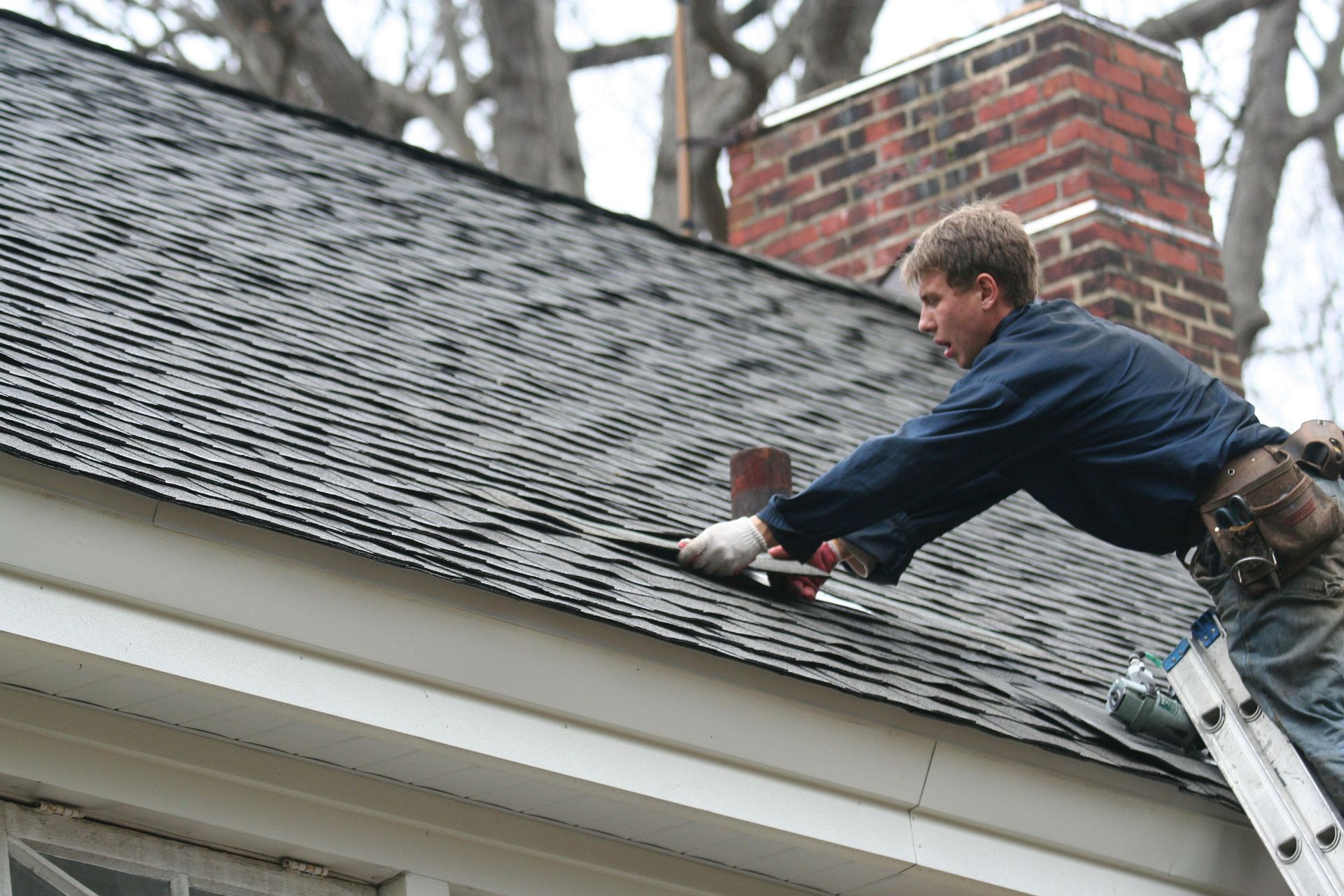
Not every roofing issue requires full replacement. Small leaks, isolated missing shingles, or minor flashing problems may be repairable if the rest of the roof is in good condition. Repairs can be a practical choice when damage is limited, and the roof still has years of useful life remaining. This approach can extend the life of the roof without requiring a full replacement.
Replacement becomes more likely when damage is widespread, the roof is near the end of its expected lifespan, or repairs are becoming frequent. Paying for repeated repairs on an aging roof may cost more over time than investing in a new system. Roofing contractors can help homeowners compare the costs and benefits of each option. This helps ensure that the final decision is both practical and cost-effective.
Planning Before Emergencies
Roof replacement is easier to manage when it is planned before an emergency occurs. Waiting until leaks spread or major storm damage appears can lead to rushed decisions and additional interior repairs. Planning ahead gives homeowners time to compare materials, review estimates, and schedule work at a convenient time. This also allows for better budgeting and preparation.
A proactive approach can reduce stress and protect the home from unexpected damage. If the roof is aging or showing multiple warning signs, an inspection can provide clarity. Homeowners can then plan for replacement instead of reacting to a sudden failure. Roofing contractors can guide this process and help create a clear plan for replacement.
Protecting Long-Term Home Value
A reliable roof supports the value and safety of the entire property. Buyers often pay close attention to roof age and condition because replacement can be a major expense. A well-maintained or recently replaced roof can increase confidence and make the home more appealing. This can be especially important when preparing to sell.
Replacing a roof at the right time can also prevent damage to other parts of the home. Water intrusion can affect framing, insulation, drywall, flooring, and electrical systems if left unchecked. By addressing roof problems early, homeowners can protect both comfort and property value. Contractors can help maintain the integrity of the home through timely recommendations and service.
How often you should replace your roof depends on the material, age, installation quality, weather exposure, ventilation, and overall condition. While general lifespan estimates can be helpful, the best decision comes from careful inspection and attention to warning signs. Replacing a roof before serious failure occurs can help prevent leaks, protect the structure, and support long-term home value. For professional guidance from experienced roofing contractors and dependable roofing support, contact Rhino Roofing NJ.