October 18, 2026
Modern buildings are designed to balance appearance, functionality, efficiency, and long-term maintenance needs. Whether a property is used for residential, commercial, or mixed-use purposes, the roofing system plays an important role in protecting the structure and supporting its overall design. Property owners must consider several factors when choosing a roofing style, including available space, drainage, accessibility, installation requirements, and future maintenance. A flat roof can be a practical option for buildings that benefit from a streamlined appearance and flexible use of rooftop space. Although these roofing systems require proper drainage and regular maintenance, they offer several advantages that make them suitable for contemporary construction. Understanding these benefits can help property owners determine whether this roofing style aligns with their building's needs and long-term goals.
1. Creating a Clean and Modern Appearance
One reason property owners choose low-slope roofing systems is their ability to complement contemporary architectural designs. Modern buildings frequently feature simple lines, geometric shapes, and minimal decorative elements. A roof with little visible slope can support this appearance by creating a streamlined profile that blends naturally with the building's structure. This design approach is especially common in commercial facilities, apartment buildings, and modern residential properties where architectural simplicity is a priority.
A flat roof also provides flexibility when coordinating exterior features such as parapet walls, rooftop equipment, and architectural accents. Instead of making the roof a prominent visual element, designers can emphasize windows, exterior finishes, and the building's proportions. This approach allows property owners to create a cohesive appearance while maintaining the protective functions of the roofing system. The result is a practical design that supports visual appeal and everyday building operations.
2. Maximizing the Use of Available Space
Space efficiency is important for buildings located in developed areas where additional land may be limited. Traditional sloped roofing systems can create unused areas above the building, while low-slope designs may accommodate equipment or other approved rooftop features. Depending on structural capacity and local building requirements, property owners may use portions of the roof for mechanical systems, solar panels, or designated outdoor areas.
Making effective use of rooftop space can be particularly beneficial for commercial properties. Heating, ventilation, and air conditioning equipment may be positioned above the building rather than occupying valuable ground-level space. Some residential buildings may incorporate rooftop terraces when specifically designed for those purposes. Additional uses require appropriate structural evaluation, waterproofing, safety features, and professional planning to ensure the roof continues performing its primary protective function.
3. Simplifying Access for Routine Maintenance
Roof accessibility can influence how easily property owners arrange inspections, maintenance, and repairs. Steeply pitched roofs often require specialized access equipment because of their angles. Low-slope roofing systems generally provide a more manageable surface for trained professionals to inspect, although appropriate fall protection remains necessary. Easier access can help contractors evaluate drainage components, inspect seams, and identify areas requiring attention.
Regular maintenance is essential for preserving any roofing system. According to HomeAdvisor, a flat roof that receives proper maintenance can have a lifespan of up to 25 years. Actual service life depends on roofing materials, installation quality, weather exposure, drainage performance, and maintenance practices. Property owners can support long-term performance by scheduling professional inspections, removing accumulated debris, and addressing minor deterioration promptly. Consistent attention can prevent small issues from developing into more extensive problems.
4. Supporting Flexible Roofing Material Choices
Modern low-slope roofing systems can be constructed using several materials designed to provide waterproofing and weather resistance. Common options include thermoplastic polyolefin (TPO), ethylene propylene diene monomer (EPDM), modified bitumen, and built-up roofing. Each material offers different characteristics related to installation, durability, maintenance, and environmental exposure. Selecting an appropriate system requires consideration of the building's location, roof configuration, expected use, and budget.
Professional roofing contractors can help property owners compare these options and understand how different materials perform under specific conditions. Some membranes feature reflective surfaces that may reduce solar heat absorption, while others offer flexibility that accommodates temperature-related movement. Installation methods and maintenance requirements also vary between systems. Choosing materials based on the property's needs can help create a reliable roofing assembly that supports long-term protection.
5. Improving the Efficiency of Building Operations
Energy efficiency is an important consideration for modern buildings because heating and cooling expenses can represent substantial operating costs. Roofing systems influence how heat enters and leaves a structure, particularly when large surfaces receive direct sunlight. Certain low-slope roofing materials have reflective finishes designed to reduce solar heat absorption. Combined with appropriate insulation, these materials may help limit unwanted heat transfer and support consistent indoor temperatures.
A flat roof can also accommodate energy-related equipment when the building supports the additional weight and installation requirements. Solar panels may be positioned using mounting systems that account for sunlight exposure, wind conditions, and roof protection. However, energy performance depends on more than roofing materials. Insulation, ventilation, building orientation, and equipment efficiency influence results. A coordinated approach helps property owners evaluate improvements while maintaining the roofing system's integrity.
6. Accommodating Commercial Building Requirements
Commercial buildings frequently require roofing systems that support mechanical equipment, utility connections, and maintenance access. Offices, warehouses, retail facilities, and industrial properties may contain ventilation systems, exhaust equipment, and other components requiring strategic placement. Low-slope roofs can provide suitable locations for these systems while preserving ground-level space for parking, deliveries, landscaping, or pedestrian access.
These advantages can simplify certain aspects of building planning. Contractors can coordinate equipment placement, drainage systems, and roof penetrations during construction. However, every penetration must be properly sealed to reduce the risk of water intrusion. Equipment placement should also account for structural loads and future maintenance access. Careful planning allows the roofing system to support building operations while protecting the interior from weather-related damage.
7. Managing Construction and Installation Considerations
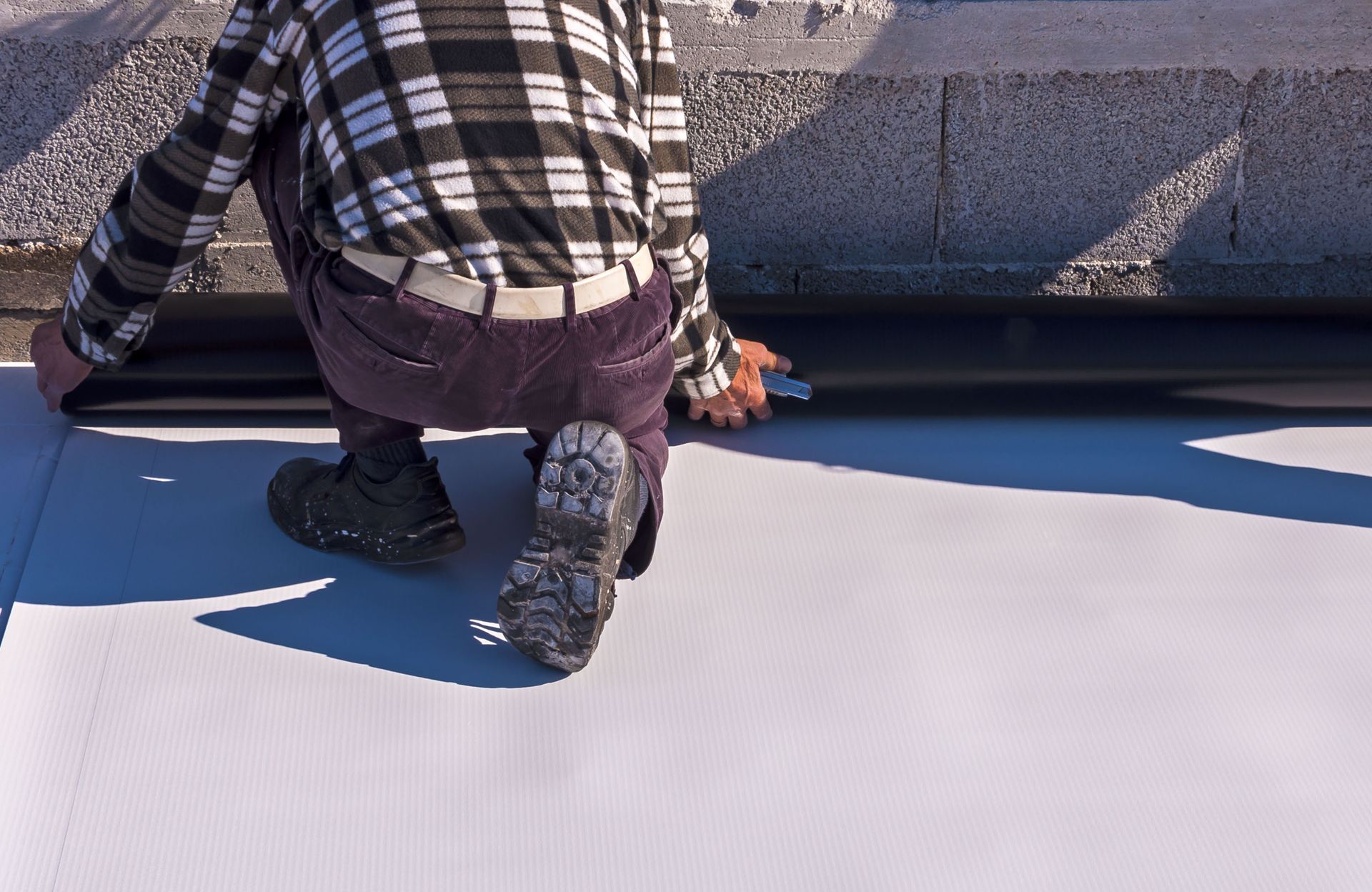
Roof design can influence construction methods, material requirements, and installation schedules. Low-slope systems generally use roofing assemblies that differ from those found on steeply pitched structures. Depending on the project, installation may involve preparing the roof deck, placing insulation, applying waterproof membranes, and installing flashing around edges and penetrations. These steps require careful coordination to create a continuous protective barrier against moisture.
A flat roof may offer installation advantages for certain building configurations, but costs and timelines depend on structural requirements, material selection, accessibility, and complexity. Drainage design is especially important because low-slope roofs must direct water toward appropriate outlets rather than allowing prolonged accumulation. Roofing professionals can evaluate these requirements and recommend suitable installation methods. Proper planning helps reduce construction complications and supports reliable performance after completion.
8. Maintaining Reliable Long-Term Weather Protection
Protecting a building from rain, snow, wind, and temperature changes is the primary responsibility of its roofing system. Low-slope roofs rely on carefully installed waterproofing materials and drainage components to manage these conditions. Although they may appear level, properly designed systems incorporate sufficient slope to direct water toward drains, gutters, or scuppers. Without effective drainage, standing water can stress roofing materials and increase the risk of deterioration.
Long-term protection depends on maintaining these components. Property owners should arrange inspections after severe weather and address blocked drains, damaged flashing, membrane punctures, or deteriorating seams when identified. Professional maintenance can reveal developing concerns around rooftop equipment and other vulnerable locations. By combining appropriate materials, careful installation, and ongoing inspections, building owners can help their roofing systems withstand environmental exposure and protect the property throughout their expected service life.
Choosing the right roofing system involves balancing architectural preferences, building requirements, maintenance responsibilities, and long-term performance. A flat roof or low-slope roofing system offers practical advantages, including a modern appearance, flexible rooftop space, accessible maintenance areas, and compatibility with different materials. These systems can also support commercial equipment and energy-related improvements when properly designed. However, effective drainage, professional installation, and consistent maintenance remain essential for dependable protection. Understanding these considerations helps property owners make informed decisions about their roofing investments. Whether you are planning new construction, evaluating an existing system, or considering an upgrade, experienced roofing professionals can help you explore suitable options. To learn more about roofing solutions for your property, contact Rhino Roofing NJ today.