March 24, 2026
Maintaining the structural integrity of a home begins right at the top. A well-kept roof serves as the ultimate shield against the harshest weather conditions, keeping the interior safe, dry, and comfortable. However, even the most durable materials eventually experience wear and tear from constant exposure to sun, wind, rain, and snow. Ignoring the early warning signals can lead to severe structural damage and costly interior restorations. Understanding the subtle hints that indicate trouble brewing above can save homeowners a tremendous amount of stress and money. While many property owners try to assess the situation themselves, consulting a professional is always the smartest route. Reaching out to a trusted local roofer ensures that any potential vulnerabilities are accurately identified before they escalate into major disasters. By paying close attention to the condition of the house, it becomes easier to determine exactly when intervention is necessary.
Spotting Water Stains Inside
A primary indicator that a roof requires professional attention is the appearance of water stains on the ceilings or walls. These unsightly brown or yellowish rings often mean that moisture has breached the protective exterior layers and is slowly making its way through the attic into the living spaces. Even a small spot can signify a much larger issue hidden behind the drywall. Moisture intrusion can quickly compromise the structural framing and promote the rapid growth of mold, creating hazardous indoor air quality. Trying to simply paint over these stains never solves the underlying problem, as the water will continue to enter every time it rains. It is crucial to trace the source of the leak, which can be notoriously difficult since water travels along beams before dripping down. Bringing in an experienced local roofer to conduct a thorough inspection will pinpoint the exact point of entry. Promptly addressing these interior leaks prevents further deterioration.
Finding Shingle Granules in Gutters
When cleaning out the gutters during routine seasonal maintenance, homeowners should pay close attention to the debris they remove. While leaves and twigs are normal, an excessive accumulation of dark, sandy material is a major red flag. These coarse particles are the protective granules that coat asphalt shingles, designed to shield the delicate materials underneath from damaging ultraviolet rays. As shingles age, they naturally begin to shed these granules, leaving the exterior vulnerable to the elements. Once the protective coating is gone, the underlying asphalt bakes in the sun, causing it to become brittle and prone to cracking. According to This Old House, the average roof size in the U.S. is about 1,700 square feet. Losing granules across such a vast surface area significantly compromises the entire system. If the gutters look filled with coarse black sand, it is time to have a local roofer evaluate the remaining lifespan of the shingles and recommend the appropriate restorative actions.
Noticing Cracked or Curling Shingles
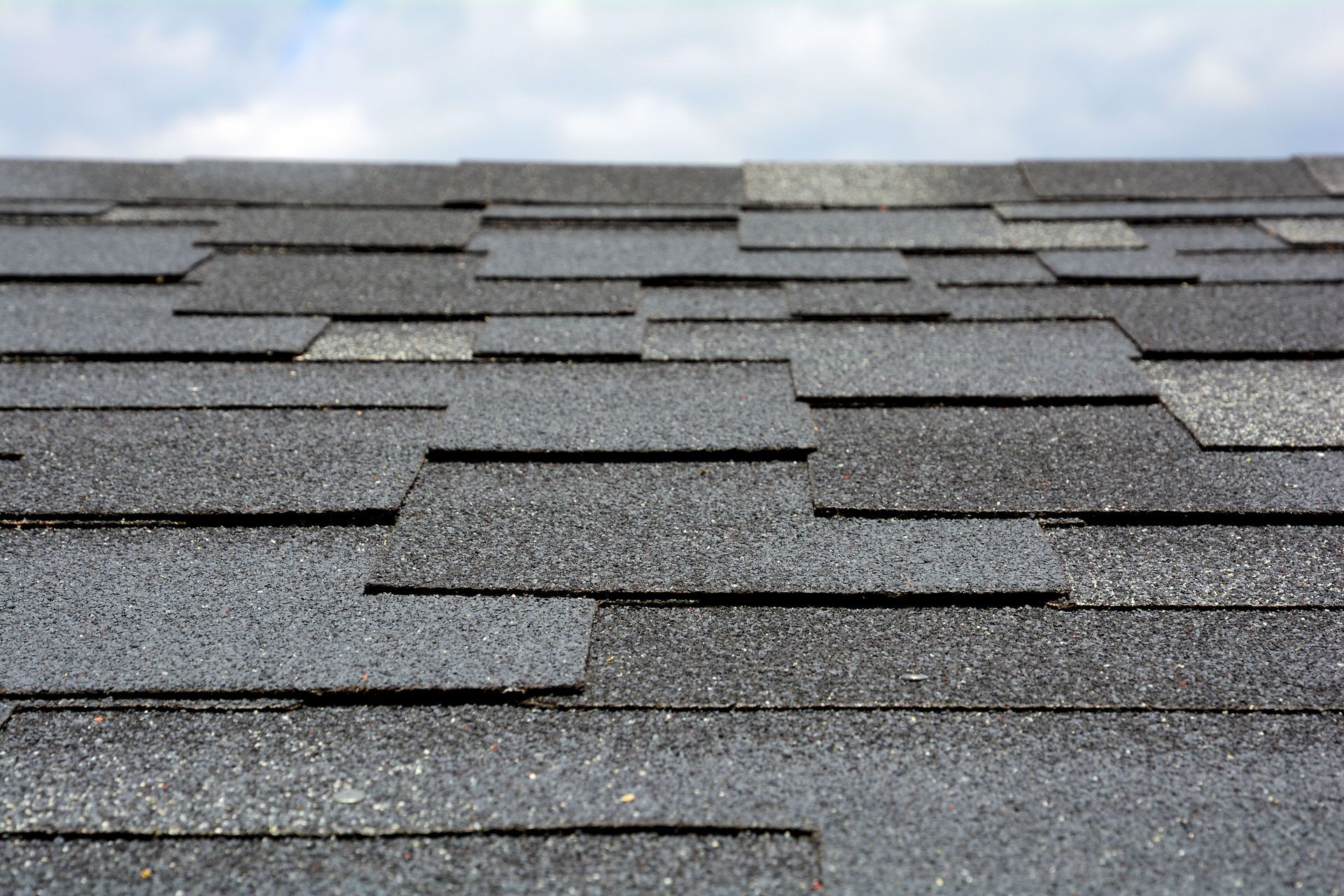
A quick visual assessment from the ground can reveal a wealth of information about the condition of the exterior. Shingles should lay completely flat against the underlying decking, creating a seamless and watertight surface. If the edges are noticeably turning upward or the centers are bubbling, the materials have reached the end of their functional life. Curling often happens due to a lack of proper attic ventilation, which traps excess heat and moisture that bakes the shingles from the bottom up. Severe weather events and extreme temperature fluctuations can also cause the materials to physically crack or split. Once a shingle loses its flat profile, it becomes incredibly susceptible to being torn completely off by strong wind gusts, exposing the bare decking below. Replacing these damaged sections immediately is vital to preventing sudden water infiltration. A skilled local roofer can easily spot these deformities and determine whether a localized patch or a broader replacement is the best course of action.
Identifying Sagging Roof Decks
The overall geometry and silhouette of a house should feature straight, crisp lines along the ridges and planes. Any noticeable dip, droop, or sag in the structure is a severe warning sign that requires immediate emergency attention. Sagging typically indicates that the underlying structural supports, such as the rafters or the decking itself, have been severely compromised by prolonged moisture exposure and subsequent wood rot. This type of damage threatens the absolute stability of the entire house and can eventually lead to a partial or total collapse if left entirely unaddressed. Correcting a drooping deck goes far beyond simply replacing a few surface materials; it requires extensive structural reinforcement and carpentry work. Relying on a highly qualified local roofer is the only way to safely and effectively rectify such profound structural deficiencies and ensure the home remains completely stable and secure for the future.
Detecting Light in the Attic
The attic space serves as an excellent diagnostic area for uncovering hidden exterior vulnerabilities. During a bright afternoon, homeowners should venture into the uppermost level of their house and turn off all artificial lights. If any beams of natural daylight are visible piercing through the wooden boards overhead, there are undeniable gaps in the protective barrier. Wherever sunlight can penetrate, rain, snow, and freezing drafts can certainly follow. Furthermore, these openings provide an easy entry point for unwanted pests seeking shelter. Examining the underside of the decking for any dark streaks or damp spots alongside these light penetrations will confirm that moisture is already actively entering the space. Sealing these hidden gaps requires precise attention to detail and a thorough understanding of exterior construction. Hiring a dependable local roofer guarantees that every single crevice is properly sealed, fully restoring the dark, dry environment that an attic is supposed to maintain.
Experiencing Rising Energy Bills
A sudden and unexplained spike in monthly heating or cooling costs can often be traced directly back to deteriorating exterior materials. The top of the house plays a massive role in regulating indoor temperatures by providing essential insulation and ventilation. When the materials degrade, gaps form, or the ventilation system fails, the home loses its ability to retain conditioned air. During the hot summer months, a failing system allows oppressive radiant heat to seep into the living areas, forcing the air conditioning unit to work constantly to maintain a comfortable temperature. Conversely, during freezing weather, precious heated air escapes through the compromised barriers, causing the furnace to run without pause. Upgrading the exterior not only stops leaks but also vastly improves the overall energy efficiency of the property. When utility bills begin to climb without any changes in daily habits, contacting a professional local roofer to assess the thermal integrity of the structure can lead to significant long-term savings.
Staying proactive about home maintenance is the most effective strategy for preserving property value and ensuring a safe living environment. Recognizing the subtle signs of deterioration, from unexpected interior water stains and unusual gutter debris to structural sagging and rising energy costs, empowers homeowners to take decisive action before minor issues become catastrophic failures. Ignoring these red flags never makes the problem disappear; it only guarantees that the eventual repairs will be much more extensive and disruptive. Taking the time to periodically inspect the property and monitor its performance throughout the changing seasons provides invaluable peace of mind. When the time comes to address these vital maintenance tasks, relying on experienced professionals makes all the difference in achieving lasting results. If you suspect your home might be showing signs of wear and tear, do not hesitate to seek expert assistance. Call Rhino Roofing NJ today to learn more and schedule a comprehensive evaluation.